

Warehouse Labor Management System That Aligns People and Automation With Real Work
Direct effort where it has the greatest impact on throughput and service with warehouse labor management that maps labor against actual work, flow, and automation performance in real-time.
Labor Management Shouldn’t Be Guesswork

Blind Staffing Decisions
- Can’t see where capacity shortages are building
- Move people after backlogs become problems
- No visibility into automation’s impact on labor needs

Reactive Supervision
- Learn about blockers when productivity already dropped
- Workers waiting on inventory or equipment
- Can’t see readiness issues in real-time

Disconnected Teams
- Supervisors and operations working from different data
- No shared view of where people are or what they’re doing
- Coordination happens through radios and spreadsheets
Labor Visibility That Shows Where to Act
LogistiVIEW WES labor management platform keeps people aligned with real-time work, flow, and automation, so you direct effort where it has the greatest impact on throughput and service.


Map Labor to Actual Work
- See capacity by process, not just headcount
- Identify staffing shortages before backlogs form
- Move people where they’ll prevent cutoff failures
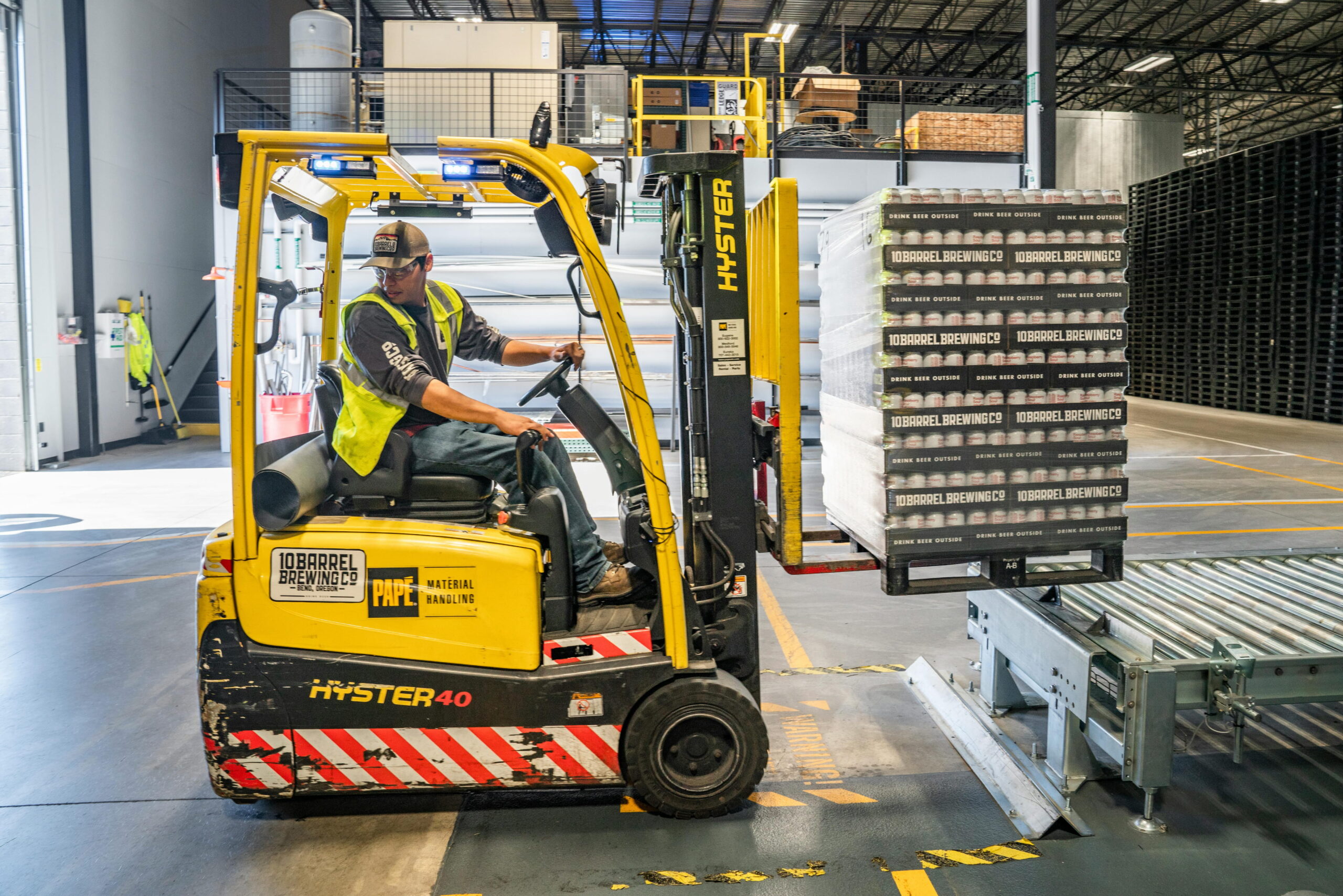

Clear Blockers Immediately
- See both readiness and obstacles in real-time
- Provide immediate feedback on worker performance
- Intervene before productivity drops


Align With Automation Performance
- Staff around how automation is actually running
- Coordinate work for people and automation together
- Ensure people are available to keep automation feed
Three Ways We Keep Labor Aligned With Operations
Labor Use Mapped Against Actual Work
See where areas like picking, replenishment, packing, or loading are short on capacity and where there’s slack. Move people before a backlog turns into a problem, not after it impacts your cutoff time.
Readiness and Blockers Visible in the Moment
Real-time worker feedback shows where associate productivity is down because they are waiting on inventory, equipment, or direction. Supervisors clear obstacles before productivity drops instead of investigating why it already did.
Labor Aligned With Automation Performance
Staff around AMRs, goods-to-person systems, and stations based on their current pace. Automation is being fed enough work, people aren’t standing idle, and areas that can’t absorb more work are not overloaded.
The Visibility Leaders Need to Direct Labor Effectively

Process-Level Capacity View
See labor distribution across picking, packing, receiving, and shipping mapped against actual work volume. Identify where you’re short and where you have slack, by zone and process, not just building-wide headcount.
Real-Time Readiness Monitoring
LogistiVIEW WES confirms the operation can absorb work before releasing each task. It verifies labor, inventory, and equipment are available, then flags what isn’t ready and where so supervisors can clear the constraint before work slows or stops.
Automation-Aware Staffing
Understand how automation is actually performing and staff accordingly. See when AMRs are running slower than expected, when stations are backing up, and when systems need more or fewer people supporting them.
Impact-Driven Staffing Decisions
When you shift people between processes or zones, see how those moves affect your ability to hit carrier cutoffs. Use labor where it has the most impact on service, not where it’s always been assigned and may be inefficient.
Performance Visibility That Helps
Light Gamification, real-time feedback, and clear metrics help workers see how they’re performing and where they can improve, without pressure that damages quality or safety. Supervisors identify where coaching will pay off.
Shared Labor Picture
Supervisors, operations, and support teams work from the same understanding of where people are, what they’re working on, and where the next adjustment should be. Coordination happens through data, not radios.
Why Standalone Labor Management Systems Miss the Point
Connected to Work Flow:
Labor data reflects actual, real-time work in your operation, not theoretical capacity or yesterday’s performance against plan.
Aligned With Automation:
Staffing recommendations account for how robots and systems are really running, not how they’re supposed to run.
Tied to Service Commitments:
See the connection between labor decisions and carrier cutoffs, SLAs, and volume targets.
Unified Coordination:
One platform for labor visibility and operational execution keeps everyone working from the same reality.
Labor Management for Real Operations

Prevent Bottlenecks Before They Form:
Move people toward capacity shortages while there’s still time to prevent backlogs, not after cutoffs are at risk.

Clear Obstacles in Real-Time:
See where workers are blocked and intervene immediately instead of troubleshooting after productivity has dropped.

Staff Around Automation Reality:
Adjust labor based on how automation is actually performing today, not on what the spec sheet promised.

Make Impact-Driven Moves:
Shift people between areas while seeing exactly how those changes affect your ability to hit service commitments.
Support Where It Pays Off:
Use performance patterns to identify coaching opportunities that improve throughput without adding pressure.
Labor Management Built for Real Coordination

Process-Level Intelligence
See capacity by zones like picking, packing, receiving, and shipping, not just aggregate headcount. Understand where labor is needed before backlogs tell you.

Real-Time Readiness
Supervisors see obstacles in the moment and clear them before productivity suffers as workers signal blockers in real-time.

Automation-Aware
Staff around how automation is actually running to keep both people and automation consistently fed and productive.

Service-Connected
Make labor decisions tied to carrier cutoffs and volume targets so you direct effort where it protects service.
Better Labor Coordination Drives Measurable Results

Reduced Firefighting:
Supervisors intervene before problems develop instead of reacting to backlogs and missed cutoffs.
Higher Utilization:
Staff where work is building and pull people from slack areas, maximizing productivity without adding headcount.

Fewer Service Failures:
Direct labor toward the work that protects carrier cutoffs and SLAs instead of spreading effort evenly.
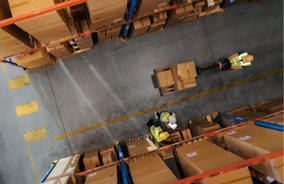
Faster Problem Resolution:
Clear blockers when they appear rather than investigating why productivity already dropped.
Providing the Clarity Warehouse Workers Need to Stay Productive
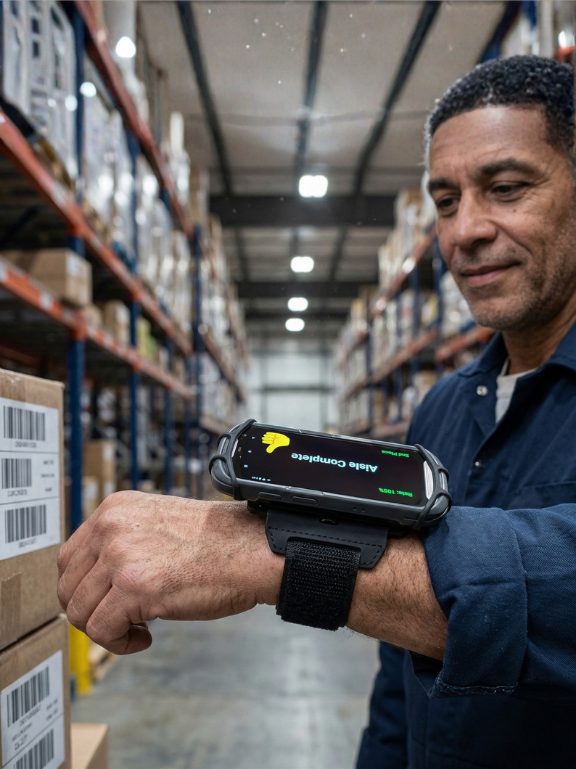
Real-time Performance Feedback for Workers
Workers see pace, progress, and performance as they work so expectations are clear, and performance is never a mystery. They know when they are on track, what is next, and where they need to adjust without waiting for end of shift reporting.
A UI Built for Warehouse Execution
The LogistiVIEW WES UI is built for speed and clarity, so associates can move through work with fewer taps and less screen time. Prompts stay clear, actions stay simple, and you spend more time moving product and less time fighting the device.
Training That Gets People Productive Faster
New hires get structured, step by step instructions on an easy-to-use UI, so training time drops. Cross training becomes practical because workers can move between processes with the same guided experience.
FAQ
What makes this different from other warehouse labor management systems?
LogistiVIEW WES labor management software connects labor visibility to actual work flow and automation performance. You see capacity by process, readiness blockers in real time, and staffing impact on service commitments.
How does this help supervisors manage day-to-day?
Supervisors see where areas like picking, packing, or shipping are short on capacity and where there’s slack. They clear blockers before productivity drops and move people where they’ll prevent problems.
Can we see how automation affects labor needs?
Yes. The system shows how AMRs, goods-to-person systems, and stations are actually performing so you staff around their current pace, not around theoretical capacity.
Does this include performance tracking?
Performance visibility is built in, with light gamification, real-time feedback and clear metrics that help workers improve without pressure that damages quality or safety.
Ready to Align Labor With Real Operations?
Direct effort where it has the greatest impact on throughput and service with warehouse labor management that connects people, work, and automation.